Industry Guide: How to Source High-Purity Pyrite Powder for Industrial Applications?
Release time: 2026-01-30
Table of Contents
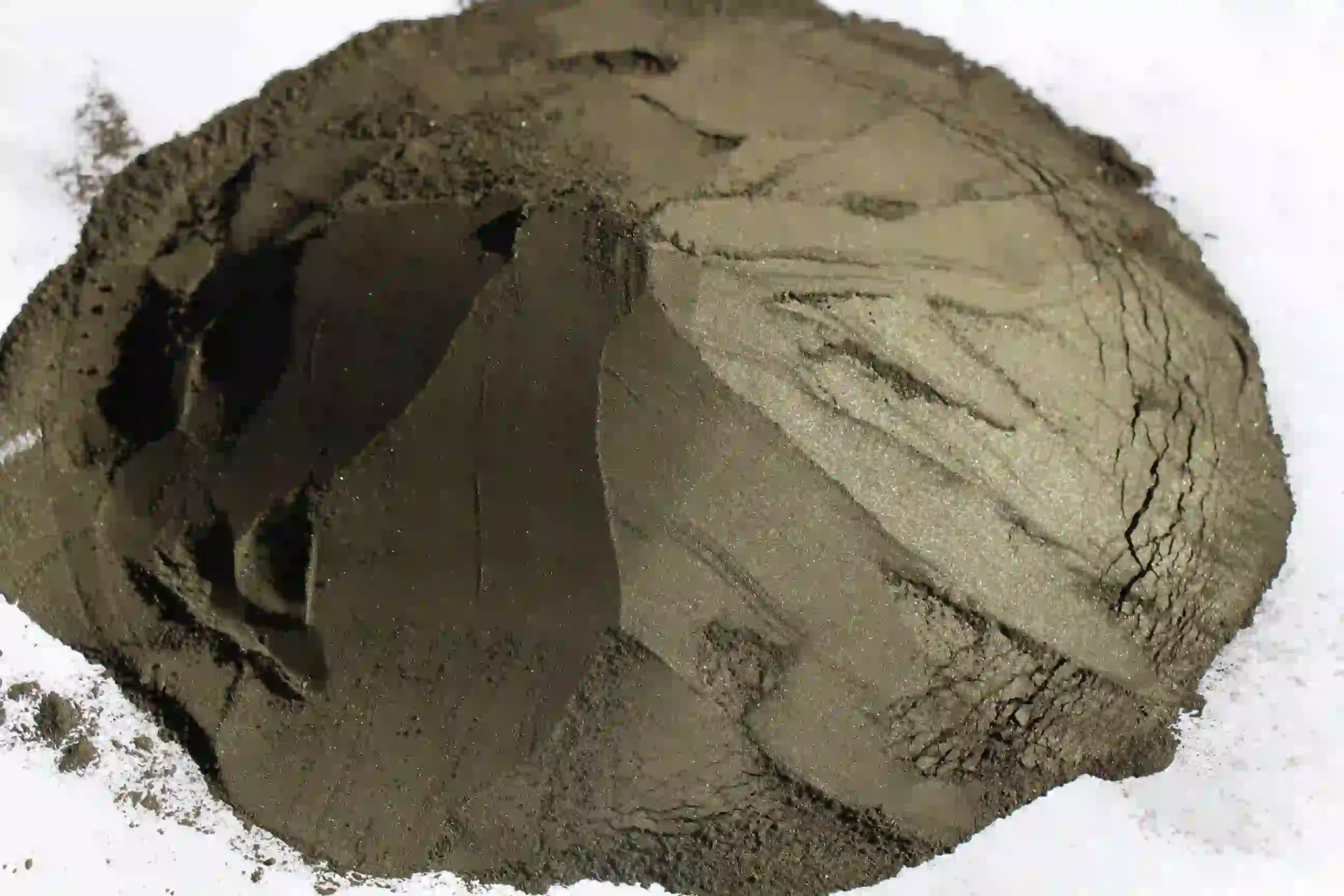
In modern industrial manufacturing, Pyrite Powder (Iron Pyrite / FeS2) serves as a critical functional additive across sectors such as friction materials, abrasives, glass production, and precision casting. For manufacturers aiming for high production efficiency and low defect rates, sourcing high-quality pyrite powder is not just about raw material replenishment—it is a strategic move to optimize processes and reduce overall operational costs.
Core Attributes: Technical Indicators of Premium Pyrite Powder
According to professional production standards, such as those from Bainuo, the value of industrial-grade pyrite powder is determined by its chemical purity and physical particle size distribution.
High Sulfur Content: Premium natural pyrite powder typically maintains a sulfur content between 45% and 50%. In brake pad manufacturing, the reaction between sulfur and iron helps form a stable friction film, significantly enhancing braking consistency.
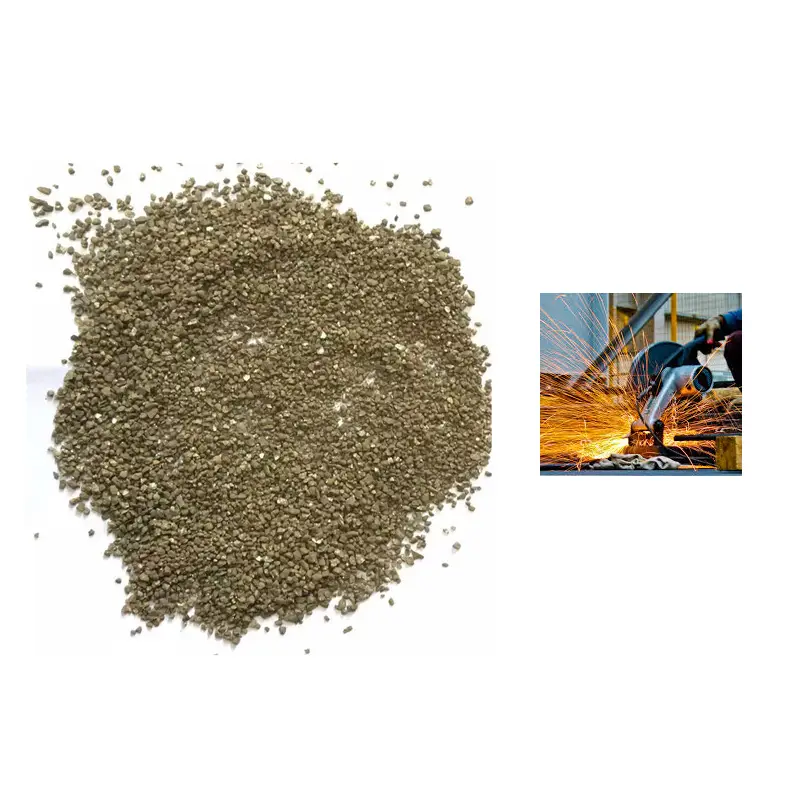
Precise Particle Size Control: Whether it is 200-mesh fine pyrite powder or coarser grains, a uniform Particle Size Distribution (PSD) ensures excellent dispersion within resin or metal matrices, preventing internal stress concentrations.
Minimal Impurity Levels: Strict control over Silica ($SiO_2$) and Carbon (C) content prevents the formation of bubbles or cracks during high-temperature sintering processes.
B2B Value: Core Benefits Across Key Industries
For B2B procurement managers, selecting a cost-effective pyrite powder supplier leads to measurable improvements in the performance of the end product.
Brake Pads & Friction Materials: As a high-performance filler, friction-grade pyrite powder effectively regulates the friction coefficient and reduces “thermal fade” during high-temperature braking. It improves wear resistance while enhancing user experience by reducing noise and vibration.
Abrasives & Grinding Wheels: In resin-bonded grinding wheels, adding low-carbon pyrite powder acts as a solid lubricant during the grinding process. This lowers cutting temperatures, prevents workpiece surface burns, and extends the service life of the abrasive tools.
Glass Coloring Industry: When producing dark glass (such as amber beer bottles), industrial-grade pyrite powder serves as an excellent coloring and fining agent, significantly improving color uniformity and glass clarity.
Sourcing Strategy: Evaluating a Professional Pyrite Supplier
Experienced procurement professionals focus on the following B2B core requirements when vetting suppliers:
Supply Stability: A pyrite powder manufacturer with access to owned mines or long-term mineral resources ensures stable bulk supply, preventing production halts caused by market fluctuations.
Custom Processing: The ability to provide specific mesh sizes (e.g., -325 mesh or custom granulations) is a key indicator of a supplier’s technical expertise.
Compliance & Certification: Comprehensive MSDS (Material Safety Data Sheets) and third-party lab reports are fundamental for ensuring production safety and environmental compliance.
Conclusion: Partnering for Long-Term Success
In the competitive global market, top-selling pyrite powder wins through stable chemical properties and superior processing performance. Bainuo is dedicated to full-process quality control—from ore selection to ultra-fine grinding—providing global clients with wholesale pyrite powder solutions that are both affordable and reliable.