How to Use High-Purity Pyrite Powder to Adjust Soil pH and Increase Crop Yield?
Release time: 2025-12-29
Table of Contents
In modern ecological agriculture, healthy soil is the foundation of high yields. However, soil compaction caused by long-term excessive use of chemical fertilizers, and the prevalent problem of excessively alkaline soil in northern regions, have become bottlenecks limiting crop yields. In recent years, high-purity pyrite powder has become increasingly popular among agricultural experts and large-scale growers as a highly efficient and low-cost soil conditioner.
This article will provide an in-depth analysis of how this natural mineral enhances soil fertility and boosts crop yields through chemical transformation.
The Principle of Pyrite Powder in Improving Alkaline Soil
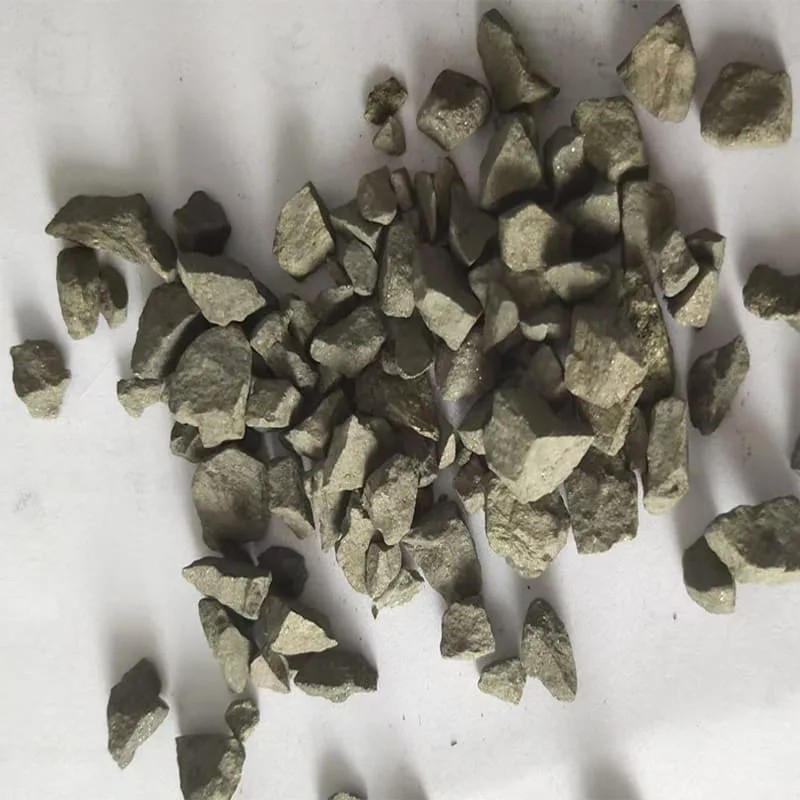
The main chemical component of pyrite is iron disulfide ($FeS₂). When this non-toxic pyrite powder is applied to moist soil, a biochemical reaction occurs under the action of sulfur-oxidizing bacteria, slowly releasing sulfuric acid and soluble iron ions.
pH Adjustment: The released acid neutralizes alkaline substances in the soil (such as sodium carbonate), restoring the soil pH to the optimal range of 6.0-7.0 for crops.
Structure Improvement: The gypsum-like substances produced during the reaction help break up soil compaction, enhancing soil aeration and permeability.
Three Core Advantages for Increased Yield:
Micronutrient Activation: In high pH environments, elements such as phosphorus, zinc, and iron in the soil are locked, making them difficult for crops to absorb. Applying high-purity pyrite powder lowers the pH, reactivating these nutrients and reducing fertilizer loss.
Supplementing Sulfur and Iron Nutrients: Sulfur is an important element for plant protein synthesis, while iron is a catalyst for chlorophyll formation. Using pyrite powder effectively prevents iron deficiency chlorosis in crops and enhances photosynthetic efficiency.
Green and Eco-Safe: Compared to strong industrial acids, non-toxic pyrite powder is stable, and its acid release process is slow and sustained, without burning crop roots, making it an environmentally friendly industrial lifting solution.
Key Selection Criteria: Purity and Particle Size Distribution
Not all pyrite is suitable for agricultural use. To ensure effective soil remediation, the following indicators should be considered during procurement:
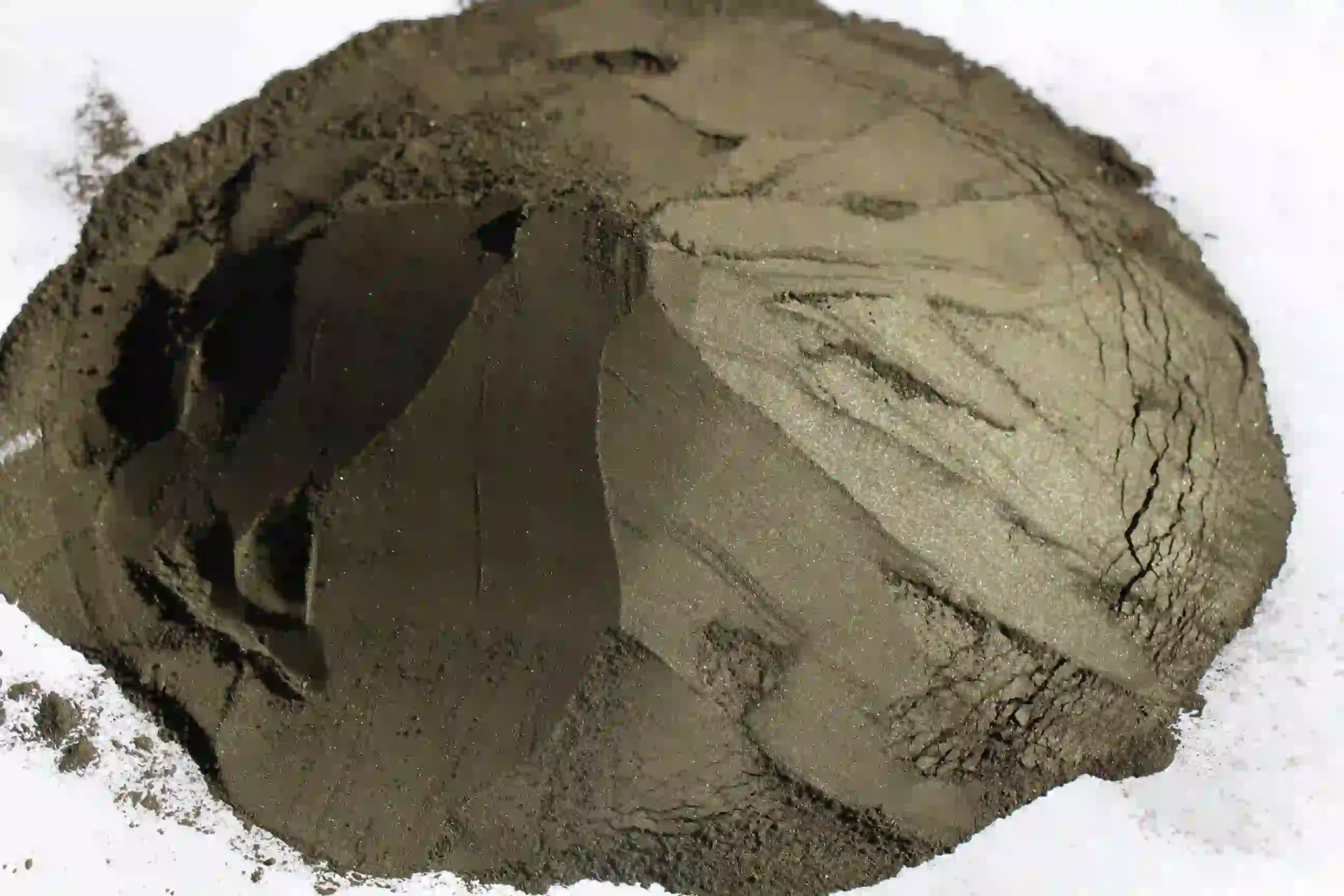
Fineness Requirements: The finer the particle size, the larger the contact area and the higher the chemical activity. Currently, customizable pyrite powder available on the market typically offers options ranging from 200 mesh to 400 mesh.
Sulfur Content: High-quality agricultural-grade pyrite powder typically requires a sulfur content of ≥45%. High purity means fewer impurities and higher reaction efficiency.
Application Recommendations and Precautions
Application Rate: The amount should be determined based on the original pH value from the soil test report. It is generally recommended to mix it into the topsoil as a base fertilizer.
Combined with Organic Fertilizer: Applying pyrite powder mixed with organic fertilizer after composting accelerates its conversion and enhances its effectiveness.
Summary
Utilizing high-purity pyrite powder for soil remediation is an important technological pathway to achieving sustainable agricultural development. It not only solves the planting problems in alkaline soil, but also directly improves crop quality and yield by supplementing essential trace elements.
Are you looking for a soil amendment with a specific mesh size? As a professional pyrite powder supplier, we offer a variety of customizable pyrite powder specifications, accompanied by detailed chemical composition analysis reports (MSDS). If you need soil amendment formulation suggestions for specific crops, please feel free to contact us!