Comparison of the Differences and Advantages of Pyrite Powder vs. Other Mineral Powders
Release time: 2025-10-09
Table of Contents
In modern industry, mineral powder, as an important raw material, is widely used in fields such as metallurgy, construction, and environmental protection. Pyrite powder, a common mineral powder, plays a vital role in metal extraction, energy production, and environmental protection due to its unique chemical properties and excellent performance. Tongling Bainuo will provide a detailed comparison of the differences between pyrite powder and other mineral powders and analyze its advantages in various fields to help you better select the appropriate mineral powder raw material.
Basic Overview of Pyrite Powder
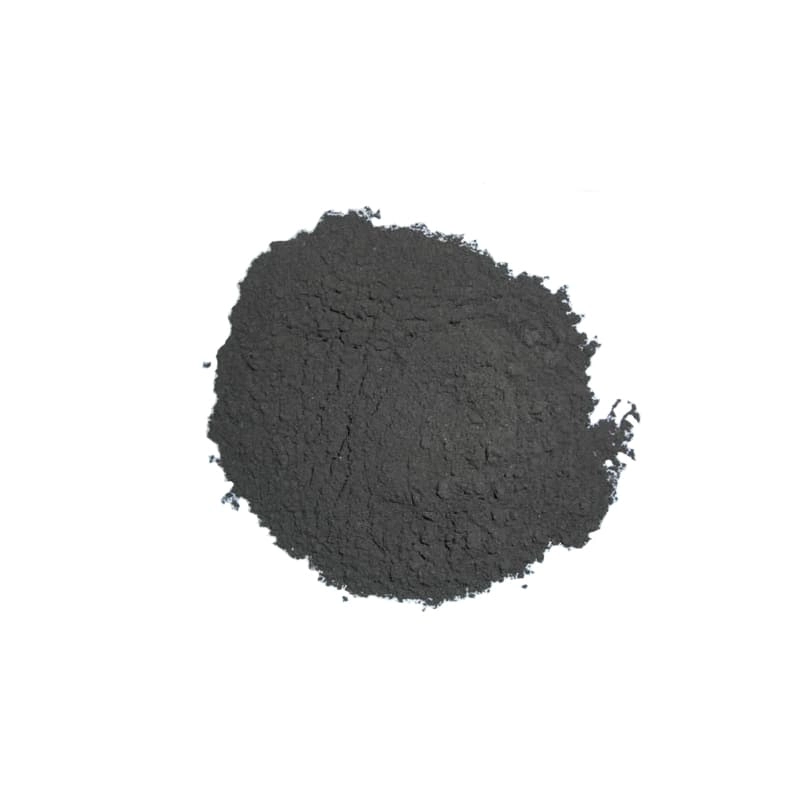
Pyrite powder, with its chemical composition of iron disulfide (FeS₂), is a common sulfide mineral. Pyrite powder typically exhibits a golden luster and, due to its high reactivity, is widely used in various fields, including metal extraction, energy production, and environmental remediation. Due to its excellent chemical reactivity, pyrite powder is particularly regarded as an important additive to improve smelting efficiency during metallurgy.
Key Differences Between Pyrite Powder and Other Mineral Powders
Chemical Composition Differences
Pyrite powder’s primary component is iron disulfide (FeS₂), while other common mineral powders, such as quartz powder, bauxite powder, and calcite powder, are primarily composed of silicon dioxide, bauxite, or calcium carbonate. Because pyrite powder is rich in sulfur, it offers unique advantages in certain chemical reactions, particularly in metallurgy, chemical engineering, and environmental protection.
Differences in Physical Properties
Pyrite powder has a higher specific gravity and smaller particle size, resulting in stronger chemical reactivity. Other mineral powders, such as quartz powder and barite powder, are generally lighter in specific gravity and less reactive. The finer particles of pyrite powder allow for better reactions with other substances, enhancing its effectiveness in applications such as metal extraction and energy production.
Differences in Applications
The application range of pyrite powder differs from that of other mineral powders. Pyrite powder is more widely used in metal extraction and environmental pollution control. Quartz and calcite powders are primarily used in the construction, coatings, and glass industries, while pyrite powder is primarily used in the metallurgical industry and environmental protection.
Advantages of Pyrite Powder
Improving Metal Extraction Efficiency
As a highly effective sulfiding agent, pyrite powder plays a vital role in the metal extraction process. It effectively facilitates the separation and purification of metals in the smelting of copper, lead, zinc, and other metals. Compared to other mineral powders, pyrite powder exhibits higher reactivity during the smelting process, significantly improving extraction efficiency.
Cost-Effectiveness
Compared to other high-cost mineral powders, iron pyrite power is relatively affordable. It can effectively reduce raw material and energy consumption in metal smelting, lowering production costs for enterprises. Especially in the metallurgical industry, which requires large amounts of sulfiding agents, pyrite powder is an ideal and cost-effective choice.
Environmental Advantages
During the smelting process, pyrite powder reacts with harmful impurities in the ore, effectively removing harmful substances and reducing air and water pollution. Furthermore, the use of pyrite powder has a relatively minimal impact on the environment, thus meeting the requirements of green production and sustainable development.
Improving Mineral Purity
Pyrite powder can effectively improve mineral purity during metal extraction and remove impurities generated during the smelting process. By adding pyrite powder, companies can enhance the final purity of metals and improve the market competitiveness of their products.
Comparison with Other Mineral Powders
| Mineral Powder Type | Main Component | Application Fields | Reactivity | Advantages | Differences from Pyrite Powder |
|---|---|---|---|---|---|
| Pyrite Powder | Iron disulfide (FeS₂) | Metal extraction, energy production, environmental protection | High reactivity | Improves smelting efficiency, reduces cost, environmentally friendly | Higher reactivity, particularly suitable for metal smelting |
| Quartz Powder | Silica (SiO₂) | Construction, glass, ceramics | Low reactivity | Used in building materials, decorative materials, refractory materials | Low reactivity, mainly used in construction and decoration industries, not suitable for smelting |
| Limestone Powder | Calcium carbonate (CaCO₃) | Building materials, environmental protection, plastics | Low reactivity | Improves concrete strength, enhances plastic properties | Not suitable for metal smelting, low reactivity, mainly used in construction and environmental protection |
Future Development of Pyrite Powder
With the increasing demands for metal smelting and environmental protection, the market demand for pyrite powder will continue to grow. Its application prospects in efficient metal extraction, energy production, and environmental governance are broad. When selecting pyrite powder raw materials, companies should develop appropriate usage strategies based on their own production needs and the advantages of pyrite powder.
Conclusion
In summary, high-efficiency pyrite powder offers unique advantages in metal extraction and environmental protection. It not only improves smelting efficiency and reduces production costs, but also meets the environmental protection requirements of modern industry. Compared with other mineral powders, pyrite powder demonstrates irreplaceable advantages in specific applications.