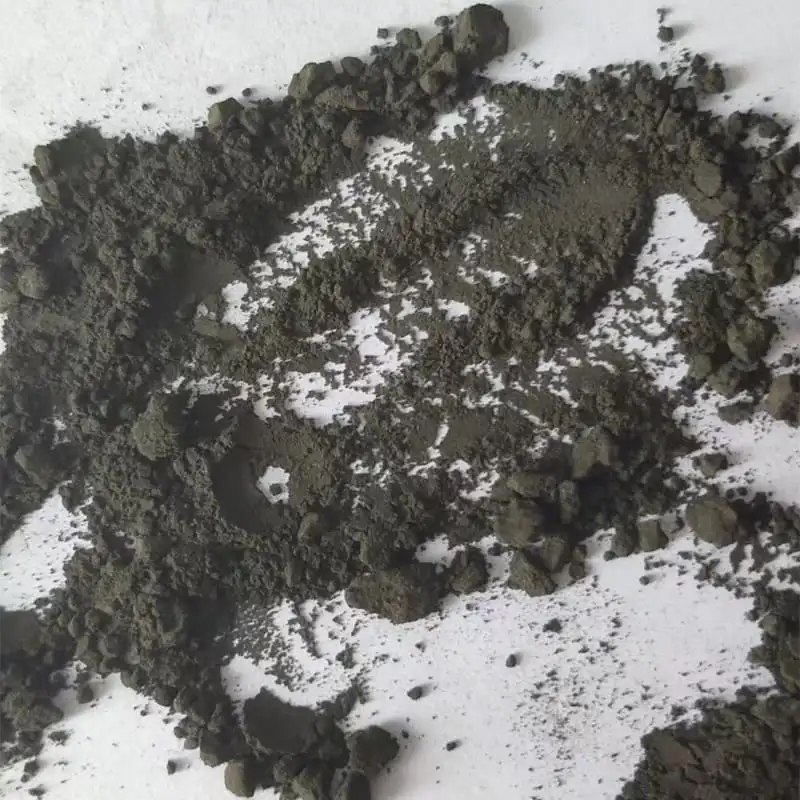
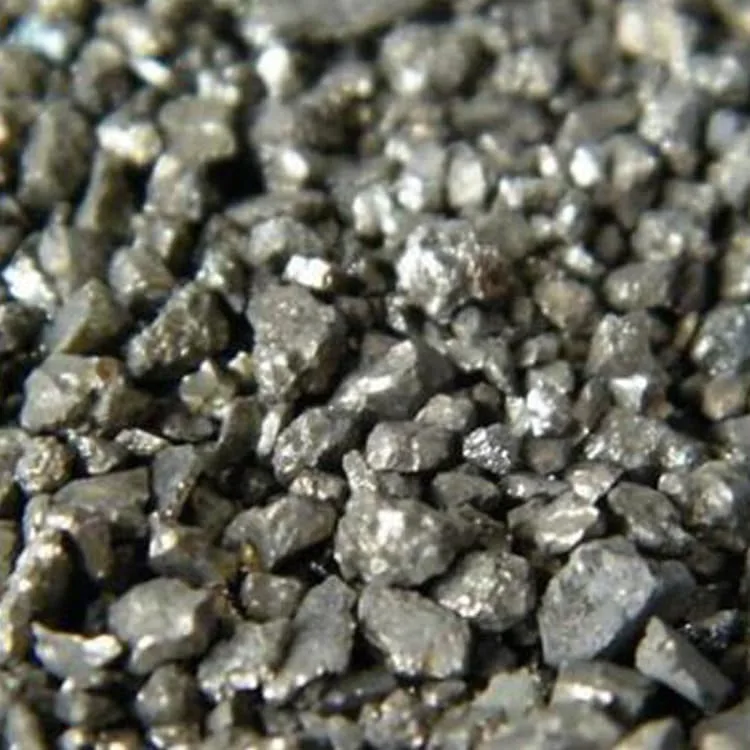
Characteristics and Advantages: Comparing Pyrite Powder with Iron, Copper, and Other Metal Powders
Release time: 2026-01-14
Table of Contents
In the fields of industrial manufacturing and materials science, selecting the right metal or metalloid powder is crucial for product performance. Many professionals often wonder: What are the fundamental differences between iron powder, copper powder, and pyrite powder? Which material offers the best cost-performance ratio?
This article compares the characteristics of pyrite powder with traditional metal powders like iron and copper, revealing its unique advantages in modern industry to help you make more informed purchasing decisions.
Property Comparison: Pyrite Powder vs. Common Metal Powders
Although pyrite (FeS2) possesses a metallic luster, it differs fundamentally from pure metal powders in its chemical and physical behavior.
Physical Stability and Oxidation Resistance
Iron Powder: Highly susceptible to oxidation and rusting, especially in humid environments, requiring strict storage and transportation conditions.
Copper Powder: Excellent conductivity but expensive, and prone to forming “verdigris” (copper carbonate) when exposed to air over long periods.
Pyrite Powder: Structurally stable. As an excellent source of sulfur and iron, high-purity pyrite powder maintains outstanding activity in specific industrial reactions. Its hardness (Mohs hardness 6–6.5) also makes it more resilient in wear-resistant material applications compared to ordinary metal powders.
Safety and Environmental Attributes
In today’s era of green manufacturing, material safety is a top priority. Compared to certain synthetic powders that carry heavy metal pollution risks, naturally mined and refined non-toxic pyrite powder is widely used in abrasive polishing, soil conditioning, and the glass industry. It is chemically stable and environmentally friendly when used according to regulations.
Core Competitive Advantages of Pyrite Powder
High Cost-Effectiveness
Compared to high-priced copper powder or micron-grade iron powder produced through complex reduction processes, pyrite powder offers a significant cost advantage. For metallurgical processing requiring sulfur (such as the production of free-cutting steel), using pyrite powder as an alternative to expensive additives can drastically reduce corporate production costs.
Unique Industrial Catalysis and Reaction Properties
In the grinding wheel and abrasive industries, pyrite powder is frequently used as a filler. It acts as an efficient synergetic agent during high-temperature grinding, helping to reduce heat accumulation. This specific thermal property is something standard iron or copper powders cannot provide.
How to Choose a Quality Partner?
During the procurement process, the stability of product quality directly impacts the qualification rate of the final output. Finding a reliable pyrite powder supplier is key to ensuring production continuity. High-quality suppliers generally feature:
Full Range of Specifications: Offering various particle size customizations from coarse grains to ultra-fine powders.
Standard-Compliant Composition: Providing third-party test reports to ensure sulfur and iron content meet industrial standards.
Stable Supply Capacity: Owning stable mineral sources to meet the demands of large-scale bulk orders.
Conclusion
In summary, while iron and copper powders hold irreplaceable positions in the conductive and magnetic fields, pyrite powder is becoming the preferred choice for more enterprises. Thanks to its superior stability, low cost, and eco-friendly profile, it excels in abrasives, free-cutting steel manufacturing, and specific chemical reactions.
If you are looking for high-purity pyrite powder or wish to learn more about the specific applications of non-toxic pyrite powder in your industry, it is recommended to consult with a professional mineral technical team for in-depth guidance.