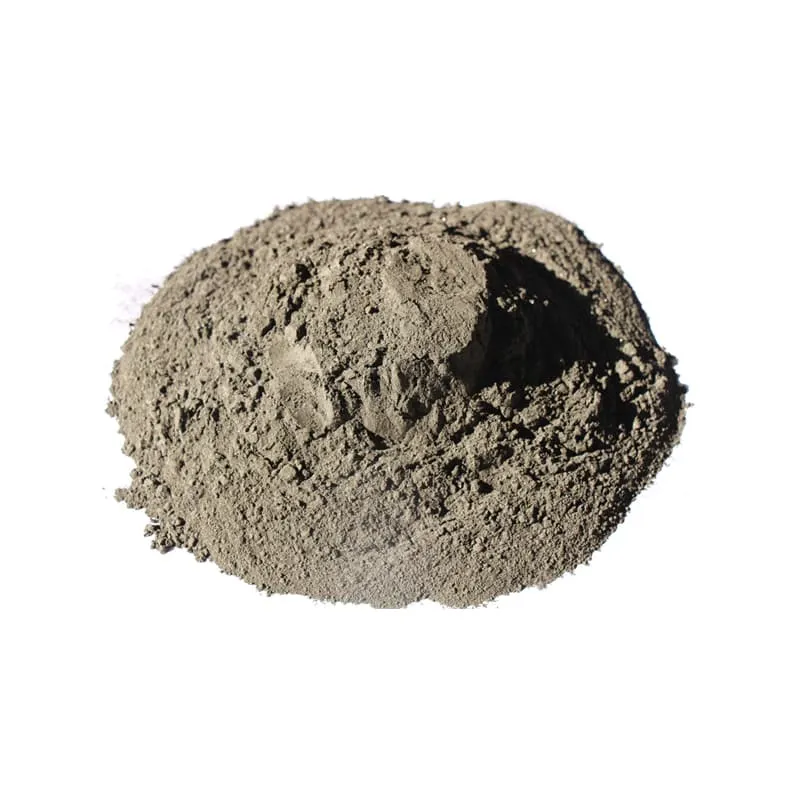
Application of Pyrite Powder in Glass Manufacturing: An Analysis of Its Advantages in Glass Pigments, Glass Additives and Glass Materials
Release time: 2026-02-24
Pyrite (FeS₂, fool’s gold) powder is a cost-effective and versatile material in glass manufacturing, with core advantages focusing on four aspects: amber coloring, strong ultraviolet (UV) blocking, energy-saving fluxing & reduction, and low-cost stability. It is widely used in the fields of glass pigments, additives and functional materials.
I. As Glass Pigments (Colorants): The Preferred Solution for Amber Color
Pyrite is the most mainstream and reliable coloring raw material for the industrial production of amber/brown glass.
1. Coloring Principle
At the high temperature of glass melting, FeS₂ decomposes into Fe²⁺ and S²⁻, forming Fe-S chromophores, which endow the glass with a rich and uniform amber/brown color.
2. Application Advantages
- Stable Coloring and Controllable Color Depth: Compared with other iron-based colorants (such as Fe₂O₃), pyrite provides more stable coloring and higher color saturation, and the color depth can be precisely controlled by adjusting the addition amount.
- Extremely Low Cost: Pyrite has large reserves, is easy to process, and its price is much lower than that of metal oxides and organic pigments.
- Lead-Free and Non-Toxic: It replaces traditional lead-containing amber colorants, meeting the requirements of food contact and environmental protection.
- Strong UV Blocking: Amber glass can absorb almost all UV radiation below 450nm, providing excellent UV protection for containers of food, medicine, cultural relics and chemicals.
II. As Glass Additives: A Three-in-One of Fluxing, Reduction and Energy Saving
Pyrite has multiple functions of reducing agent, flux and energy-saving additive in glass formulations.
1. Core Functions and Advantages
- High-Efficiency Reducing Agent: It releases S²⁻ at high temperatures, reducing ferric iron (Fe³⁺) in the glass melt to ferrous iron (Fe²⁺), which not only optimizes coloring, but also reduces the oxidation degree of the glass and improves clarification and homogenization.
- Auxiliary Fluxing: It lowers the liquidus temperature of the glass, promotes the melting of raw materials such as quartz sand, shortens the melting time and reduces energy consumption.
- Energy Saving and Consumption Reduction: It releases heat through oxidation itself, reduces the energy consumption of furnace heating and improves thermal efficiency.
- Improving Glass Performance: Trace amounts of sulfur and iron can optimize the chemical stability, mechanical strength and thermal expansion coefficient of glass.
- Environmental Protection Substitution: It replaces part of carbon-based reducing agents (such as coal powder), reducing smoke and CO₂ emissions.
III. As Glass Functional Materials: Surface Modification and Special Glass
1. Surface Functional Coatings
Pyrite powder can form metallic luster/hydrophobic/wear-resistant layers on the glass surface through sintering/spraying, which are used in building curtain walls, automotive glass, rearview mirrors, etc., to improve weather resistance and self-cleaning ability.
2. Special Glass Matrix
It is used to prepare infrared-transmitting glass, electromagnetic shielding glass and low-emissivity (Low-E) glass, utilizing the semiconductor and optical properties of FeS₂ to achieve multi-functional integration.
3. Advantages
- Multi-Functional Integration: A single material realizes coloring, fluxing, reduction and surface functionalization.
- Easily Available Raw Materials and High Cost-Effectiveness: Compared with precious metals and rare earth elements, it has significant cost advantages.
- Process Compatibility: It can be directly mixed into conventional glass formulations without major transformation of the production line.
IV. Comparative Summary of the Three Application Scenarios
| Application Type | Core Function | Key Advantages | Typical Products |
|---|---|---|---|
| Glass Pigments | Amber Coloring | Stable, High UV Blocking, Low Cost | Food/Medicine Bottles, Beer Bottles, Cultural Relic Storage Windows |
| Glass Additives | Reduction, Fluxing, Energy Saving | Energy Reduction, Efficiency Improvement, Performance Enhancement | Daily-Use Glass, Container Glass, Architectural Glass |
| Glass Materials | Surface Coating, Functional Matrix | Multi-Functional, Wear-Resistant, Weather-Resistant | Curtain Wall Glass, Automotive Glass, Special Functional Glass |
V. Application Limitations and Notes
- Sulfur Volatilization Problem: SO₂ will be released at high temperatures, requiring supporting waste gas treatment (desulfurization).
- Iron Content Control: Excessive iron will cause the glass to turn black and reduce transparency, so precise measurement is required.
- Scope of Application: It is mainly used for amber/brown series, not suitable for colorless or high-transparency optical glass.
With the comprehensive advantages of stable coloring, strong UV blocking, energy-saving fluxing and low cost, pyrite powder has become an irreplaceable basic raw material in the glass industry, especially having broad application prospects in the fields of food packaging, building energy conservation and special functional glass.